
High-intensity interval training, or HIIT, has become pretty popular over the last decade. Whether you’re squeezing in a quick workout before work or looking to shake up your regular gym routine, HIIT is worth considering for its time-saving routines and its impact on overall fitness. I’ve tried plenty of different workout styles, but few deliver results as fast as HIIT does. Here’s an all-in-one look into the benefits of HIIT, how to get started, and tips for making the most out of your sessions.
The Basics of High Intensity Interval Training
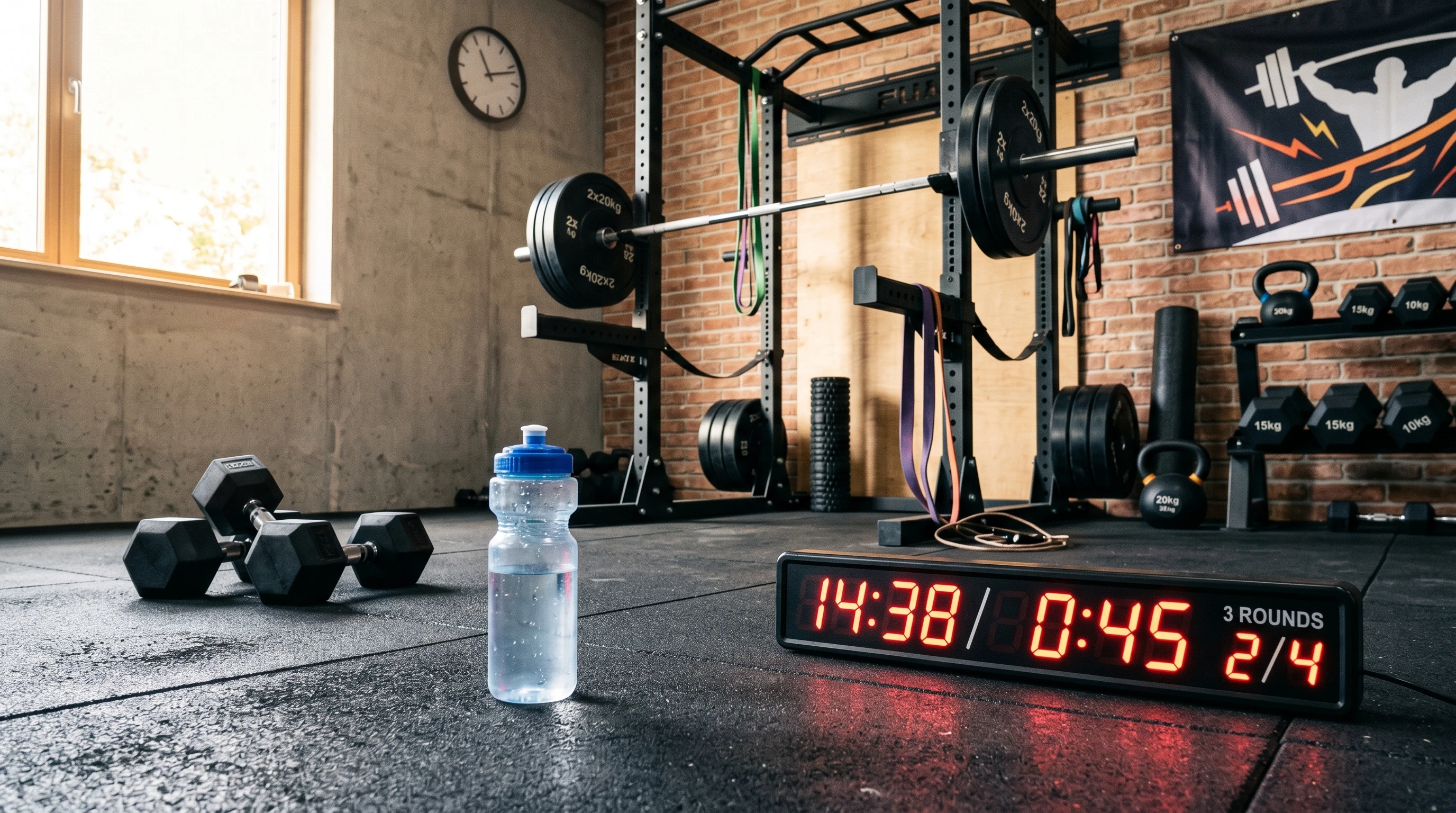
HIIT is designed to alternate short bursts of intense activity with periods of lower intensity exercise or complete rest. For example, you might sprint for 30 seconds, then walk or jog for one minute, repeating those intervals for a set number of rounds. Unlike traditional steady state cardio, HIIT packs a lot of work into a short time frame.
Research published in Harvard Health points out that HIIT originally picked up steam as a way for athletes to boost speed and endurance. These days, you’ll see HIIT routines across gyms, group classes, and home workouts. The key draw is just how much you can accomplish in less than half an hour.
Key Benefits of HIIT
There are plenty of reasons HIIT is always coming up in fitness circles. Here are some major benefits you’ll notice right away:
- Time Efficient: HIIT lets you get a super effective session done in as little as 15–20 minutes. This is great for anyone who’s busy or doesn’t want to spend hours at the gym.
- Burn More Calories: Because you push so hard during the intense parts, HIIT often burns more calories than steady state cardio, both during and after the workout.
- Boosts Cardiovascular Fitness: Short bursts of intense work challenge your heart and lungs, which can improve performance in all sorts of activities.
- Improves Metabolic Health: Studies have shown that HIIT can help control blood sugar and improve insulin sensitivity.
- No Equipment Required: Many HIIT routines are bodyweight only, so jumping in doesn’t require a gym membership or fancy gear.
Adding HIIT to your weekly schedule can add variety, challenge your body in new ways, and shake off workout boredom.
How Does HIIT Work?
HIIT keeps workouts fresh by mixing up intensity levels. Here’s the usual breakdown:
- Work Interval: A burst of high effort (think running, cycling, or bodyweight moves at full power) for anywhere from 15 seconds up to one minute.
- Recovery Interval: Period of light activity or rest, usually matching or slightly exceeding the duration of the work phase.
You repeat that cycle several times. The intensity is what really separates HIIT from regular cardio. During the work phase, you’re aiming for that “out of breath” feeling. Pushing at 80–95% of your max effort is normal during intervals. You shouldn’t feel like you can keep that up for more than the set interval.
Getting Started With HIIT: A Beginner’s Guide
Jumping into HIIT doesn’t need to be overwhelming. Here’s how I’d suggest easing in if you’re new to HIIT or interval training in general:
- Pick Simple Moves: Bodyweight exercises like squats, lunges, pushups, or cycling make for excellent HIIT intervals.
- Start With Short Sessions: Begin with 10–15 minute routines, working in 20 seconds of high effort then 40 seconds of recovery.
- Focus on Form: Form matters even more at high speeds. Slow things down if you notice your technique starting to slip.
- Rest is Your Friend: Don’t try to cut out the recovery intervals. These lower intensity segments let you maintain your top intensity through each round.
- Progress Gradually: As you get comfortable, swap some recovery phases for shorter rests or ramp up your work intervals.
Adapting your workouts by mixing in new moves or trying a new timer pattern keeps things interesting and gets better results over time. For extra motivation, consider tracking your progress—like the number of rounds you complete, your work-to-rest ratio, or how you feel after each session.
What to Think About Before Jumping Into HIIT
HIIT is great, but it’s not always the right choice for everyone. There are a few things that help set you up for success and make sure you’re staying healthy along the way:
- Preexisting Conditions: If you have a heart condition, joint problems, or any chronic health issues, it’s a good idea to check with your doctor before starting HIIT.
- Warming Up Counts: Prepping your body helps avoid injuries. Dynamic stretches or light cardio for five minutes is usually enough.
- Don’t Overdo It: Because HIIT is pretty tough on the body, doing it three times per week is enough for most people. Overdoing it can raise injury risk and slow recovery.
- Listen to Your Body: Muscle soreness is normal after HIIT, especially at the start. Pain, sharp discomfort, or feeling dizzy are all signs to slow things down or take a break.
HIIT and Recovery
Giving your body downtime after HIIT helps everything adapt and grow stronger. Recovery routines like foam rolling, gentle stretching, or regular sleep play a big part. I like to mix HIIT with lower intensity sessions like walking or yoga on off days for better recovery and less burnout. Adding activities like swimming or leisurely cycling can also ease muscle tightness and keep you moving without extra stress on your joints.
Bottom Line on Safety
Staying aware and listening to how you’re feeling keeps HIIT safe and productive. Hydration, fueling your body with nutritious foods, and planning rest make all the difference in how effective your sessions actually are. Taking care of yourself before, during, and after HIIT helps you see continued progress and avoid injury over the long run.
HIIT vs. Traditional Cardio
HIIT isn’t the only way to get fit, but it does offer a different flavor compared to classic steady state cardio like jogging or cycling at a continuous pace. Here’s a glance at how they stack up:
- Time Commitment: HIIT workouts are shorter, often under 30 minutes, while steady state sessions usually run 45 minutes or longer.
- Calorie Burn: HIIT burns more calories per minute and may keep your metabolism raised longer after the session is over (the “afterburn effect”).
- Variety and Engagement: The changing intervals in HIIT keep things interesting and can help fight workout boredom.
- Accessibility: Steady state can be easier on joints and a better fit for beginners or anyone looking for a more relaxed pace.
The best results often come from mixing it up, using both approaches across your week for balance and avoiding plateaus. Switching things up keeps your body guessing and can break through stubborn progress barriers, leading to better overall fitness and motivation.
HIIT Ideas and Examples to Get You Moving
Here are a couple of HIIT workout ideas you can try at home or in the gym:
- Bodyweight HIIT Circuit: 30 seconds each of squat jumps, pushups, mountain climbers, and burpees, with 30 seconds of rest between exercises. Repeat 3–5 rounds.
- Cardio Machine HIIT: On a treadmill or stationary bike: 1 minute sprint, 2 minutes light pace, for 15–20 minutes total.
Tweak the moves or timing to fit your fitness level and personal preferences. There’s tons of room to get creative with HIIT; anything that ramps up your heart rate and then lets you cool down a bit will work. Challenge yourself to switch in new moves, such as jumping lunges or plank jacks, or adjust your rest and work times for more variety.
Real World Examples and Results
I’ve seen plenty of people get awesome results from sticking with HIIT. A buddy of mine dropped his 5K run time by several minutes after just eight weeks of mixing HIIT into his usual training. I also hear from people who find it easier to stick to short, intense routines than longer gym sessions, especially when life gets busy. There’s even evidence that HIIT can support weight management, boost endurance, and give a boost to your mood by releasing feelgood endorphins.
- Time-Limited Schedules: HIIT works well for busy parents, students, or professionals; the short sessions are easy to fit into lunch breaks or hectic mornings.
- Performance Boost: Athletes and weekend warriors alike use HIIT to supplement their regular training for new gains in speed, strength, and stamina.
Realistically, your experience will depend on consistency, effort, and how well you blend HIIT with recovery. Adding variety as you progress—like using different intervals, swapping in free weights, or working outdoors—can help keep results coming and make training more enjoyable.
Frequently Asked Questions
Here are a few common questions I get about HIIT:
Q: How often should I do HIIT?
A: Two to three times a week can give great results but be sure to mix in other activities and enough rest.
Q: Do I need any special equipment for HIIT?
A: Nope! Many HIIT moves use just your body weight. However, you can add free weights, kettlebells, or resistance bands as you advance.
Q: Can beginners do HIIT?
A: Absolutely. Start slow with longer rest intervals and simpler moves. Build intensity over time as you get stronger and more confident.
HIIT in Your Routine: What to Remember
Adding HIIT to your workout lineup brings a burst of energy (and results) without needing hours in the gym. From better heart health to torching more calories, HIIT is practical and easy to personalize. As you get used to the pace, challenge yourself with new intervals or moves, but always keep proper form and make recovery a priority. If your goal is saving time without giving up results, HIIT earns a top spot in your fitness toolkit.
Ready to check out HIIT? Stay patient, stay consistent, and track down just how much a few intense intervals can do for your body and mind. Bring some creativity into your workouts, listen to your body, and see what HIIT can help you achieve over time.