Proper form isn’t just something you hear about in gym class—it’s basically the best insurance for your body, no matter what kind of workout or sport you’re doing. When your form is on point, exercises work the right muscles, you stay more balanced, and you keep injuries at bay. I’m going to break down some practical stuff for anyone who wants to stay pain-free and active, whether you’re new to exercise or have been at it for a while.
Why Proper Form Matters More Than You Think
Sometimes it feels like just moving is better than nothing, but how you move can really make a difference. Checking your form helps you target the muscles you’re meant to work. When you skip the right technique, your body uses shortcuts. Often, overworked joints, tendons, and muscles end up handling loads they shouldn’t. Before you know it, nagging aches or even a bigger injury can get in the way of progress.
One study published in the British Journal of Sports Medicine points out that bad form is one of the big factors that leads to overuse injuries for both athletes and average gym-goers. I know from personal experience, too. Whenever I start rushing through workouts or get sloppy with my posture, those minor pains pop up fast.
Building Strong Foundations: What Good Form Looks Like
Every type of movement has its guidelines, but most good form comes down to the basics: alignment, control, and breathing. Here’s what that means:
- Alignment: Joint stacking is a pretty simple concept. Shoulders over hips, knees over ankles. This keeps your body in a strong position whether you’re lunging, squatting, or just picking up a box at home.
- Control: Rushing or jerking weight usually means you’re losing good form. Slowing things down helps you keep movements smooth and muscles engaged.
- Breathing: Sounds basic, but holding your breath makes everything harder. Exhale with effort (pushing, pulling) and inhale as you return to start.
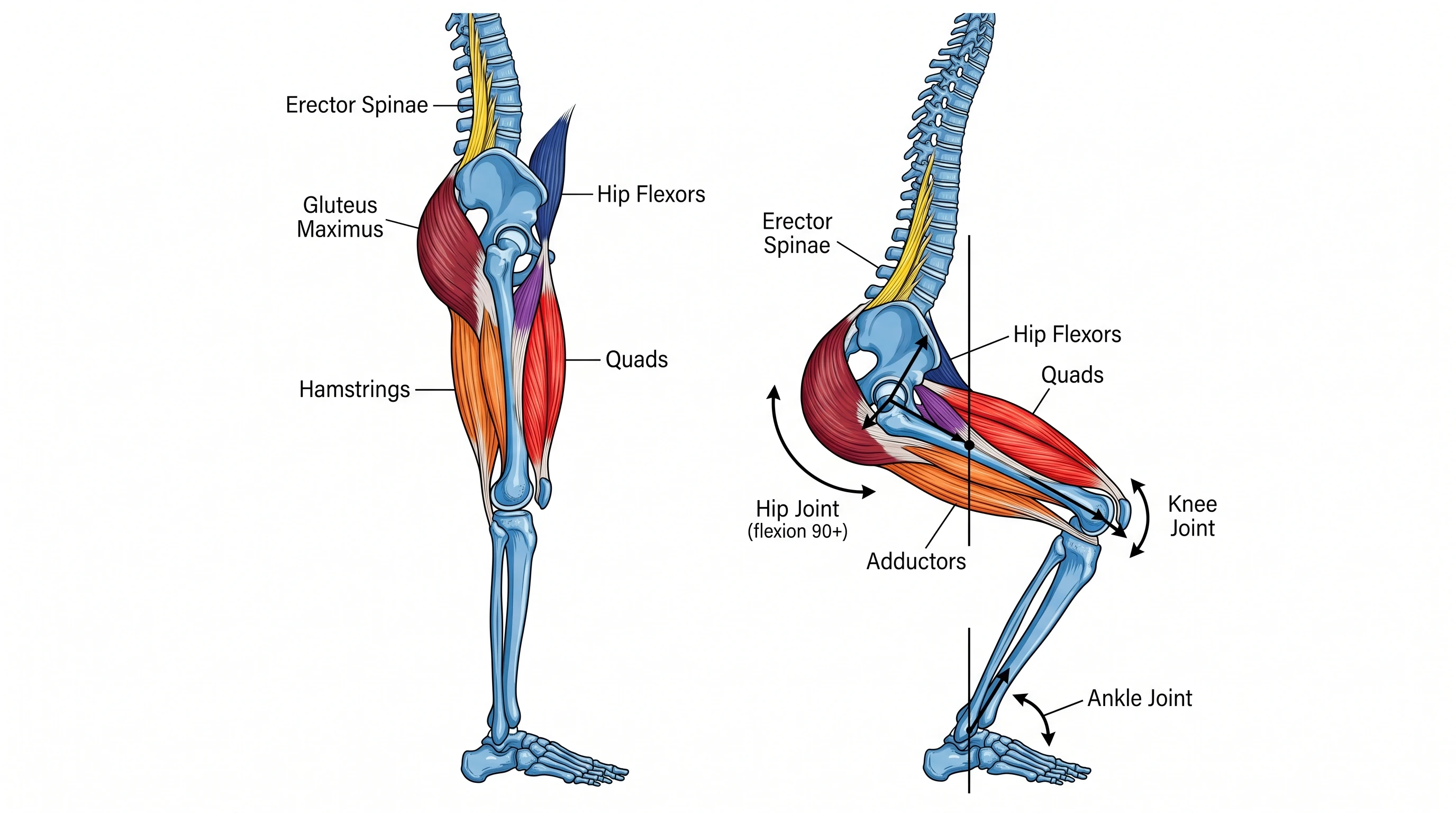
For a good example, take a classic bodyweight squat. With feet about shoulder width apart, keep your chest up, bend at the hips and knees, and lower down until thighs are parallel to the ground or as deep as you can without rounding your back. Knees track over toes, not caving in or flaring out. Keeping an eye on these markers is how I prevent nagging knee pain and lower back twinges.
Common Mistakes That Can Lead to Injuries
There are a few mistakes I see all the time, both at the gym and during home workouts. Staying sharp and watching out for these can really help you avoid trouble:
- Letting your knees cave in (valgus collapse) during squats or lunges puts a lot of strain on the inside of the knee joint.
- Arching your back when doing overhead presses or planks shifts strain onto your spine and away from the muscles you actually want to work.
- Slamming your feet or heels while running or jumping means your legs aren’t absorbing shock efficiently, leading to ankle, shin, or knee pain.
- Ignoring shoulder position in pushups or bench press can pinch nerves or irritate tendons.
If you’re ever in doubt, snapping a short video of yourself or watching tutorials from trusted sources helps spot problems you might not feel in the moment. If something feels weird or off, it’s usually a clue to reset and check your form.
How to Check and Improve Your Form
I’m a big fan of using mirrors or phone cameras to check form—these tools are free and allow you to see things you might be missing. Here are a few ways I keep my alignment and technique sharp:
- Use a Mirror: Stand sideways during squats, deadlifts, or rows to see your back and hip angles.
- Record Yourself: Watching back your moves (even for 10 seconds) helps you notice if you’re rounding your back, dropping your chest, or shifting your weight.
- Ask a Buddy or Coach: Nothing wrong with getting feedback; it can be super useful, especially if you’re learning something new.
- Start With Light Weights: Build confidence and coordination before you ramp things up.
- Drill Basic Movements: Bodyweight squats, pushups, planks, and lunges support good habits. Even advanced athletes return to these basics now and then.
Alongside these steps, it might help to keep a workout journal. Use it to jot down how specific exercises felt, what you noticed about your posture, or any pain points that cropped up. Over time, you’ll start seeing patterns, and this self-awareness will pay off by making your form second nature. Plus, as you progress and move on to more complex moves—like cleans, snatches, or plyometric jumps—having solid notes about your strengths or weaknesses can guide your warmups, cool-downs, and mobility work.
Things Worth Considering Before Loading Up Weights or Speed
An easy way to get hurt is moving too fast, piling on weight, or skipping warmups. Some things to keep in mind before you go all in:
- Warmup: Take five or ten minutes to increase blood flow with dynamic stretches, jumping jacks, or brisk walking. It wakes up your muscles and prepares your joints.
- Progress Gradually: Don’t add a bunch of weight or speed until your body feels comfortable with the current challenge. It’s not boring; it’s smart and helps your form stay solid as you take things up a notch.
- Listen to Pain (Not Just Discomfort): Feeling muscles work is normal, but stabbing, burning, or throbbing pain is not. Back off if something doesn’t feel right.
The Role of Mobility and Flexibility
Tight muscles often mess with form. For example, stiff ankles make squats tough; tight shoulders can ruin pushup position. I keep mobility work in my weekly routine with foam rolling, band stretches, or yoga flows. If you want more resources, the Physio-pedia library has plenty of movement and stretch suggestions. A few minutes each day spent on mobility can open up stuck areas, improve your overall range, and support your ability to move well—on the gym floor or in real life.
Equipment Tips for Good Technique
It’s not about splurging on every gadget, but basic gear does help. If you lift weights, try flat shoes or go barefoot for squats instead of cushy running shoes. Yoga blocks or foam rollers are handy too; they support you while you work on better range of motion. Even simple additions like resistance bands can challenge your stability and help recruit more muscles for safer, better movement patterns.
Advanced Tips for Nailing Proper Form
Once you’re comfortable with the basics, you can tune up your form in a few more ways. Here’s what’s worked well for me and others I know:
Focus on Mind-Muscle Connection: Instead of just getting reps done, I concentrate on “feeling” the target muscle during each move. This is especially helpful for things like rows, pullups, or glute bridges; it helps you activate what actually needs to work.
Use Tempo Training: Controlling the speed of your lifts (like two seconds down, two seconds up) means you train muscles, not momentum. Slow, controlled movement makes you more aware of where your body is in space and can increase your stability and muscle activation. Try counting out loud—a good tip so you don’t rush through the hard parts of a movement.
Try Single Leg or Single Arm Work: Unilateral moves like single leg Romanian deadlifts or single arm presses show you right away if one side is weaker or your balance is off. Rebalancing makes you more stable and injury resistant.
Mix in Mobility Routines: Closing out workouts with shoulder circles, hip stretches, or ankle mobility drills gives you a boost in your movement quality. It also speeds recovery. Think of these as your way of making your future workouts safer and even more productive.
Practical Examples: Real-Life Application of Proper Form
Good form matters whether you’re an athlete or just want to lift groceries without tweaking your back. One example from my routine: if I deadlift with proper posture, keeping my back flat and hips hinged, not only do I avoid back pain, my strength has actually gone up. On running days, keeping my core tight and strides controlled helps fend off the knee pain I used to get when jogging haphazardly.
- Lifting Weights: Hinge at the hips, brace your core, and keep the weight close to your body.
- Running: Land lightly, keep your chest up, and don’t overstride.
- Yoga: Slow down and take cues from instructors on breathing and posture.
- Everyday Movements: Whether tying shoes or carrying boxes, bend your knees and keep your back straight.
Another simple but often overlooked tip is to check in with yourself during daily chores. Are you rounding your back while sweeping, or letting your shoulders shrug when typing? Try adjusting posture in those little moments—it’s good “form practice” for your muscles in daily life.
Frequently Asked Questions
Here are some questions I get asked a lot about maintaining proper form and injury prevention:
Question: What’s the best way to learn good form if I’m new to working out?
Answer: Start with simple, bodyweight exercises and check yourself in a mirror or video. Plenty of apps and online trainers provide walkthroughs if you can’t get in-person feedback. It can be worth spending one or two sessions with a qualified trainer to get real-time tips. Also, watching the short videos of trainers showing proper form, so you know what to even look for in your form.
Question: Should I worry more about form or about lifting heavier weight?
Answer: Always make form a priority. More weight isn’t helpful if you’re risking injury. You’ll build strength faster and safer by moving well.
Question: How do I know if my form is off if I don’t feel pain?
Answer: Sometimes, you might not notice until aches show up later. A quick video check, even once a week, helps catch little issues before they grow into bigger problems. Try asking a friend to watch for anything odd in your movement, even if it’s just during a walk or while getting up from a chair.
Keeping Proper Form: Your Key To Long-Term Fitness
Staying mindful about how you move improves workout results and keeps you from sitting out with annoying injuries. I make regular check-ins a habit and always dial things back if my posture or technique starts to slip. With good form, you’ll enjoy more progress, less pain, and keep doing the things you love—both inside and outside the gym. Bottom line: moving well is the best way to stay active, strong, and confident for the long haul.