HIIT, short for High Intensity Interval Training, has become super popular for burning fat and ramping up stamina quickly. I appreciate how HIIT keeps workouts short yet challenging, making it ideal for anyone with a busy lifestyle or people bored with long, steady cardio routines. If you want to push your limits, shed stubborn body fat, and give your endurance a boost in less time, HIIT routines are worth checking out.
Why HIIT Works for Fat Loss and Stamina
HIIT combines short, all-out bursts of activity with quick rest intervals. The key is to give near-maximal effort, about 80–95% of your maximum, for a set period, then recover briefly before jumping back in. That high effort level does more than just work your muscles; it turns up your metabolism and taps into what’s known as the afterburn effect. You’ll keep burning calories long after the session ends, making HIIT a solid option for fat loss without endless hours at the gym.
HIIT is also fantastic for building stamina. The intense intervals challenge your cardiovascular system, boost lung power, and add to muscular endurance. Sports science research shows that HIIT improves VO2 max (a major endurance indicator) and reduces total body fat faster than most steady state cardio workouts.
How to Get Started With HIIT
Jumping into HIIT doesn’t require fancy gear or anything besides space, a timer, and the willingness to push your limits. If you’re new to HIIT, here are a few tips to get started and stay safe:
- Warm Up Properly: Begin every HIIT session with a 5–10 minute warm up. Dynamic stretches, jogging in place, or jumping jacks will get your blood flowing and joints ready.
- Stick With Simple Moves: First, focus on exercises you already know—like squats, pushups, or mountain climbers—so you can keep good form and not waste time figuring out new moves.
- Control Your Intensity: Avoid poor form by focusing on quality, not just speed or rep numbers. Going slower with good technique pays off in the long run.
- Rest When Needed: If standard rest times feel too short, take a little longer break until your body adjusts.
HIIT Workouts You Can Do Anywhere
If you’re wondering where to start, try one of these favorite HIIT routines—you can do them at home, in a park, or when you’re traveling. The flexibility is unbeatable.
Bodyweight HIIT Circuit
This routine works your entire body—no equipment needed. Set a timer: 30 seconds work, 15 seconds rest per move. Do all exercises back-to-back, rest 1–2 minutes, repeat for 3–4 rounds.
- Jump squats
- Pushups
- Mountain climbers
- Burpees
- Plank jacks
This combo targets your legs, core, chest, and shoulders, keeping your heart rate up for a great calorie burn.
Tabata Style HIIT
Tabata is a fun HIIT style: do 20 seconds of all-out effort followed by 10 seconds off, repeating for 4 minutes (8 rounds total). Perform one move (like jump rope or kettlebell swings) or rotate through a few. Tabata’s quick format is perfect when time is tight but you want a big fitness push.
HIIT With Equipment
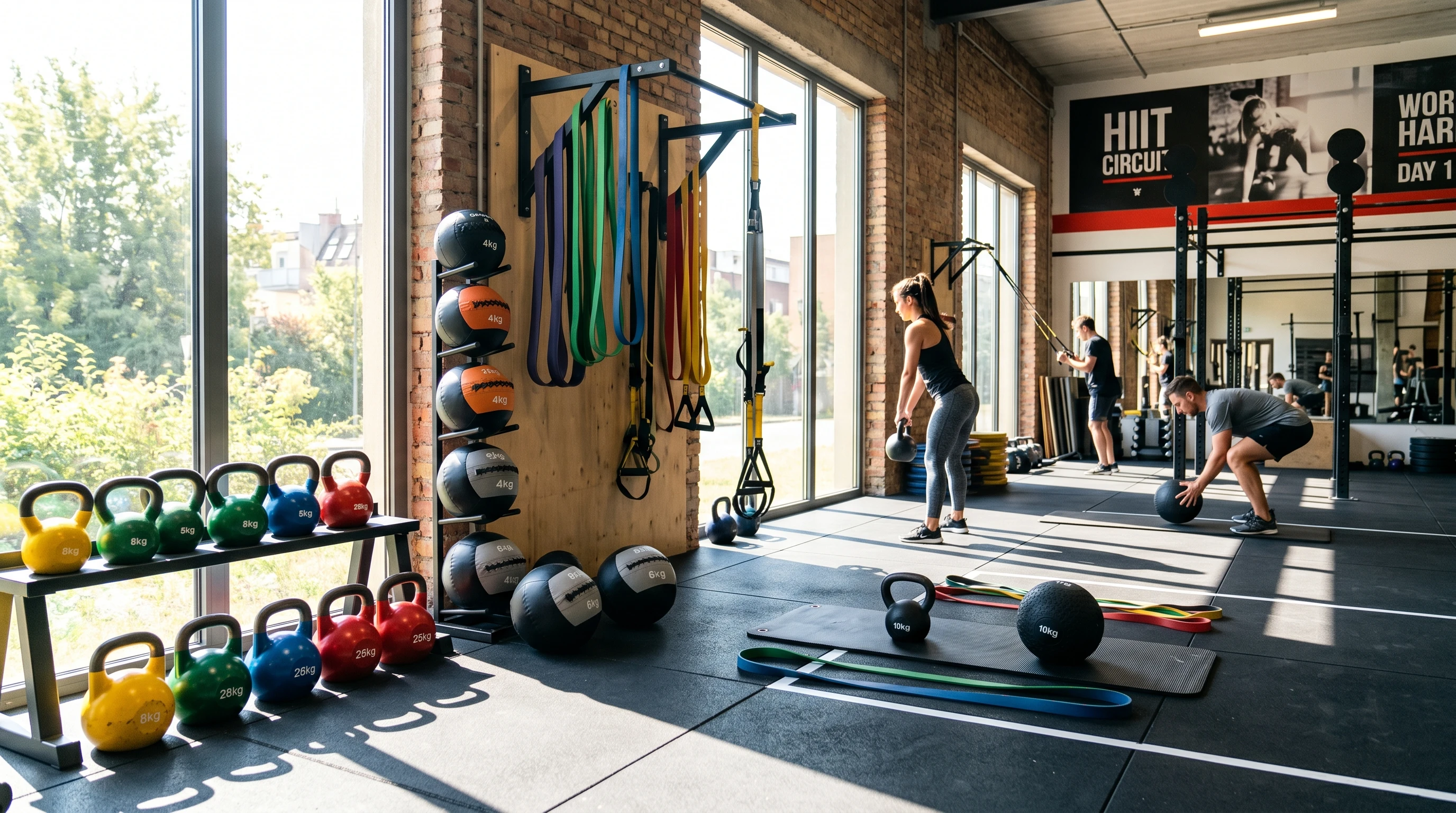
If you’ve got gear, add it in. Aim for 40 seconds on, 20 seconds off, then repeat 3–5 rounds, resting 1 minute between rounds:
- Kettlebell swings
- Battling ropes
- Box jumps
- Dumbbell thrusters
- Bicycle crunches
Adding equipment helps you build strength along with cardio stamina and faster fat loss.
Tips For Maximizing Your HIIT Results
HIIT is famous for its quick results, but using a few smart strategies can help you make the most of your sessions. Here’s what I’ve learned over the years:
- Consistency: Aim for 2–4 sessions per week. Doing more might backfire, since your body needs time to recover and adapt.
- Recovery: Schedule in active recovery—walks or gentle stretching help muscles bounce back.
- Nutrition: Eat a good mix of carbs and protein before and after intervals. Hydrating well is a must; it makes tough sessions feel easier.
- Progression: As you get fitter, up your interval times or reduce your rest periods to keep challenging yourself.
- Mix It Up: Change your exercises, add new cardio or strength moves, or switch to swimming or cycling intervals to keep things interesting and avoid plateaus.
Common Roadblocks and How to Handle Them
Starting HIIT can be tough. Lots of people run into the same speed bumps, but here’s how to handle them:
- Form Breaks Down: As you get tired, your technique might slip, especially on burpees or jump squats. Focus on good form—even slow down and use mirrors or recordings to check it over.
- Boredom: HIIT doesn’t have to be routine. Try new moves, different length intervals, or rotate between resistance and cardio circuits to keep things fresh.
- Plateaus: When progress slows down, make your intervals harder—add more rounds, up the intensity, or tweak rest times.
- Aches and Pains: If something feels strange—especially in knees, back, or shoulders—substitute with a low impact move or take a recovery day. Listening to your body is crucial for lasting results.
Fatigue and Overtraining
It’s common to overdo HIIT. I recommend spacing super high intensity sessions so there’s always a recovery day in between. If you notice ongoing soreness, bad sleep, or grumpiness, ease up for a while. Prioritize your recovery—activity like walking or stretching, foam rolling, or even just taking some downtime will help you come back stronger.
Progress Tracking
Keeping an eye on your performance is motivating and helps you spot what’s working. I often jot down workouts in a notebook or fitness app, counting rounds, noting interval levels, and writing how I feel. As things become easier or my endurance jumps, I know it’s time to switch things up or ramp up the intensity.
How HIIT Compares to Other Workouts
HIIT doesn’t stand alone when it comes to burning fat or boosting fitness, but it’s especially good for people who don’t want long, dull workouts. You’ll get the rewards of both cardio and strength in less time, and switching gears keeps boredom away. While 45 minutes of running or biking burns calories, HIIT lets you do the same (or more) in just 15–25 minutes, and the afterburn effect keeps working for you once you finish.
- Steady State Cardio: Think moderate runs or cycling for longer periods. Good for slow endurance gains, but takes a chunk of your day.
- HIIT: Quick, intense bursts push your whole body and offer plenty of variety. It’s a top pick for fast fat burning and stamina boosts.
Both workout styles have their place, and I sometimes blend them. But for busy days or when I want to shake things up, HIIT is my go-to.
Real Experiences: HIIT Success Stories
HIIT’s rising popularity shows in gyms, online classes, and even among pro athletes. Lots of people have tracked down big gains—not just losing fat, but keeping their energy up all day long. Here are some examples I’ve witnessed:
- Busy Teachers or Parents: Quick HIIT routines before work or during nap time—they squeeze in fitness even with packed schedules.
- Travelers: HIIT that only needs bodyweight can be done anywhere: hotel rooms, local parks, or beaches.
- Weekend Warriors: Swapping lengthy cardio for short sprints or jump circuits, leaving more time for other weekend plans.
Some friends of mine went from gasping on stairs to breezing through sprints, and it’s awesome to watch their confidence and energy go through the roof. HIIT makes it happen, and the transformation feels great.
Frequently Asked Questions About HIIT
Below are some common questions people have when starting a HIIT workout routine:
Question: How many times a week should I do HIIT?
Answer: The sweet spot is two to four times weekly for most people. This keeps you moving forward but allows crucial rest. Make sure to take at least a day off between sessions to let your body recover.
Question: Do I need any equipment for HIIT?
Answer: Not at all—bodyweight HIIT is extremely effective! If you want to add some fun or difficulty, you can put to work simple tools like dumbbells, resistance bands, or a jump rope.
Question: How soon will I see results?
Answer: Most notice increased stamina, higher energy, and some fat loss within just a few weeks—especially if you stick with it and eat well. Consistency and staying challenged are what matter most.
To sum it all up, HIIT is a fun and practical route for anyone who wants to burn fat and step up overall fitness with minimal time investment. With a bit of effort, the right attitude, and a willingness to push your limits, you’ll quickly figure out why HIIT remains a trending and effective workout for all kinds of fitness goals.