Figuring out post-workout nutrition can feel pretty tricky, especially when muscle recovery and growth are your main goals. If you’re aiming for better progress after tough gym sessions or serious training blocks, focusing on what you eat after you train matters more than most people think. I’ll cover the basics, some science-backed guidelines, and give you practical ideas that actually work in the real world.
The Role of Post-Workout Nutrition in Muscle Recovery
When you’re done hitting the weights, running sprints, or pumping out a high-intensity circuit, your muscles are tired, tiny fibers are damaged, and glycogen (the main form of stored energy in muscles) is partly spent. What you eat at this point can really help speed up recovery, reduce soreness, and even help you build more muscle over time.
Protein gives your muscles the raw materials to repair and grow. Carbohydrates refill those energy stores and stop your body from breaking down muscle for fuel. Putting the right stuff in your body after working out supports all those efforts you make in the gym.
Breaking Down the Essentials: Protein, Carbs, and More
Your body needs a mix of protein and carbs to kickstart repair and recovery. There are a few key nutrients that make a difference:
- Protein: Delivers the amino acids needed for muscle repair and new muscle growth. Whey, eggs, lean meats, tofu, and Greek yogurt are all solid choices.
- Carbohydrates: Restores muscle glycogen quickly. Good options include fruits, rice, oats, and potatoes.
- Fats: Healthy fats like olive oil, nuts, and avocados support joint health and hormone balance. These aren’t a priority right after a workout but still matter for long-term recovery.
- Fluids: Replacing the fluids you sweat out during training helps bring your body back to normal faster. Water works for most people, but if it was an extra long or sweaty session, an electrolyte-rich drink can help.
How Timing Affects Recovery
Getting nutrition in soon after a workout makes a real difference for muscle recovery and growth. There’s often talk about the “anabolic window,” that period right after a workout when your body is most ready to use nutrients. While there’s some debate about how narrow this window really is, I’ve found that eating within about 30-60 minutes after a session works well for most folks aiming for muscle gain or maintenance.
If you’re training fasted (like early morning workouts on an empty stomach), getting something in quickly is even more important. If you had a solid meal before training, you have a bit more flexibility.
Quick-Guide: Steps for Effective Post-Workout Nutrition
Here’s a quick run-down on what to do after your next workout to support recovery:
- Hydrate Right Away: Drink a good amount of water or a sports drink if your workout was long or extra sweaty.
- Eat a Mix of Protein and Carbs: Aim for about 20-40g of protein and 40-80g of carbs depending on workout intensity and your body size.
- Pick Simple Foods: If your stomach doesn’t do well with heavy food right after training, go for a shake, yogurt, or something easy to digest.
- Include Some Micronutrients: Toss in some berries or leafy greens to bump up antioxidants and vitamins that help fight inflammation.
- Stick to Consistency: Doing the same steps after every workout helps build strong recovery habits. Over time, it becomes second nature and you barely have to think about it.
Making these steps part of your post-training routine makes recovery easier and helps you show up stronger for your next session.
What to Watch Out for When Planning Post-Workout Meals
Everyone’s body and schedule are unique, so you may need to tweak things as you go. Here are a few common things to keep in mind:
- Tough Workouts Need More Carbs: If you’re going hard for more than an hour or doing interval training, you’ll feel the benefit of bigger carb intake post-workout.
- Don’t Overdo the Fat: Healthy fats are super important for meals throughout the day, but big amounts right after training can slow digestion and keep your recovery foods from hitting muscles quickly.
- Watch for Added Sugar: Lots of recovery drinks and bars are loaded with sweeteners you don’t need. Stick to whole food carbs like fruits, rice, or oats when you can.
- Consider Allergies and Intolerances: If dairy or gluten gives you trouble, there are plenty of other protein and carb sources that won’t leave you feeling bloated or worn down.
Protein Quality
All protein is good, but some is easier for your body to use right after training. Whey protein, for example, gets absorbed pretty quickly. If you’re plant-based, soy, pea, and rice proteins are smart alternatives. Eggs, chicken, and fish all work well too.
The digestibility of protein can also depend on preparation methods. For example, cooking helps unlock more amino acids in eggs and some plant-based sources. Including a source of vitamin C alongside plant proteins may boost how much your body can use. Whey protein remains a staple for those seeking fast absorption, but don’t overlook the power of whole foods for extra nutrients.
Carbohydrate Choices
Both simple and complex carbs have a place after a workout. Fruit (like bananas or berries) digests quickly and gives fast fuel. Rice, potatoes, and oats provide a steadier energy and help support glycogen restoration for your next training session.
If you prefer something on-the-go, a smoothie with fruit and a bit of honey can be refreshing. If you’re in a hurry, snacks like rice cakes, dates, or even dried figs get carbs to your muscles quickly.
Supplements: Worth It or Overhyped?
Supplements are everywhere, but for most people, real food does the trick just fine. Protein powders are just a convenient way to get enough protein when you’re busy. Branchedchain amino acids (BCAAs) mainly help if you’re training hard and very lean, but most folks who hit daily protein targets don’t really need them separately. Electrolyte supplements can be super useful if you’re sweating a ton or working out in heat.
Creatine is another supplement worth mentioning for athletes focused on strength and muscle building. Taken consistently, it may help boost recovery, improve performance in short, explosive activities, and even help reduce muscle damage. However, it’s not essential—just an option to think about if you want to squeeze out the last bit of progress.
Sample Post-Workout Meal Ideas
Not sure how to put it all together? I’ve found these combos balance protein, carbs, and healthy fats without feeling too heavy:
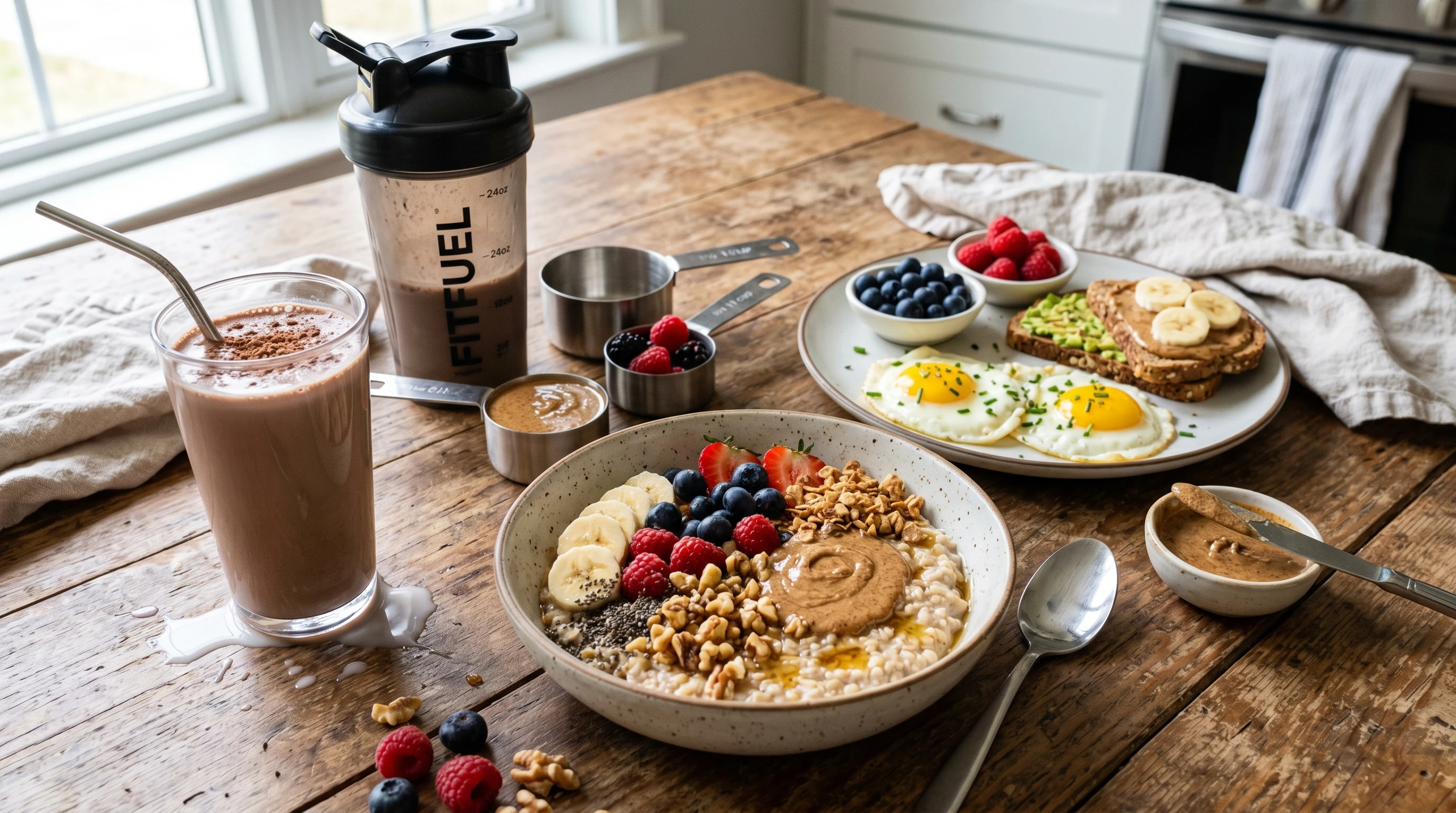
- Chocolate milk + banana + handful of almonds (a favorite for its balance and taste)
- Chicken breast + rice + sautéed vegetables
- Scrambled eggs on wholegrain toast with spinach
- Greek yogurt parfait with oats and berries
- Tofu stirfry with sweet potato and broccoli
- Protein smoothie with frozen fruit, leafy greens, and almond butter
If you crave something savory, a tuna salad sandwich with wholegrain bread and sliced tomato works well. If you’re on a plantbased diet, try lentil soup with brown rice or a burrito bowl with black beans, quinoa, veggies, and guacamole. These options are filling and nutrient-rich, helping you hit recovery goals without any fuss.
Frequently Asked Questions (FAQs)
It’s normal to have questions when changing your post-workout routine. Here’s what I hear a lot:
How much protein do I really need after a workout?
Most research supports getting around 0.4 to 0.5 grams of protein per kilogram of body weight after training (about 20-40g for most people).
Should I eat right after I finish working out?
Eating within 30-60 minutes is best for muscle recovery, especially if you trained hard or fasted. However, if you had a decent pre-workout meal, you can stretch that window out a bit.
Can I skip carbs after working out?
If you only do gentle workouts or your main focus is weight loss, you can keep post-workout carbs low. For muscle recovery and growth, pairing carbs with protein is the way to go.
What about post-workout supplements?
Supplements like whey protein or electrolyte drinks are helpful for convenience but not required. Whole foods usually work just as well unless you have a tight schedule or specific nutrition needs.
Is it okay to eat a big meal instead of a snack after training?
Absolutely. If dinner or lunch lines up with the end of your workout, just make sure it has a good mix of protein, carbs, and some veggies or fruit for nutrients.
What if I’m not hungry after my workout?
It’s common, especially after intense sessions. Try a protein shake or a small bowl of Greek yogurt with some honey; these are light but provide key nutrients.
Extra Tips for Faster Muscle Recovery
Nutrition is super important, but there are a couple of other habits that work hand-in-hand with your eating strategy:
- Prioritize getting enough sleep each night. Growth hormone, which helps with muscle repair, is released during deep sleep.
- Take it easy on alcohol. Too many drinks after training can slow recovery and mess with muscle-building signals.
- Stick to regular meals throughout the day. Your body prefers steady fuel rather than occasional feast-or-famine patterns.
- Listen to your body. If you’re extra sore, a little more nutrition and a rest day might help more than pushing through again.
- Include some gentle stretching or easy movement (like a walk or light cycling) after tough workouts to support circulation and recovery.
Dialing in your post-workout nutrition sets you up for better muscle gains and less soreness heading into your next training day. It’s not complicated; just focus on quality protein, enough carbs, and some color on your plate. Once you get into a groove, it gets easier to recover and keep making progress.