Fueling your body with the right foods before and after workouts can make a real difference in how you feel and perform. Whether I’m heading out for a cardio session or trying to build strength, choosing good pre- and post-workout snacks helps me recover faster and get more from my exercise. It’s easy to overlook, but nutrition before and after workouts really matters if you want progress and a speedy recovery. Here, I’ll break down how to pick foods that help energy, repair, and even give your mood a boost around workouts.
Why Eating Around Your Workout Matters
Your body uses food as fuel, and what you eat before and after exercise can directly affect your energy, motivation, and how quickly you bounce back. Eating the right mix of nutrients helps with performance and recovery. Skipping out can leave you feeling tired, sluggish, and even a little more sore than you’d like.
Checking out the science a bit, your body needs three main nutrients: carbohydrates, protein, and fats. Carbs help boost your energy during workouts, while protein helps with muscle repair. Although fats sometimes get a bad rap, they play a role too, especially in longer activities. Timing is also something to keep in mind; I like to eat about 1-2 hours before and right after my workout to get the best results. We’ll talk more about this soon.
Top Foods to Eat Before Your Workout
The foods I have before a workout really set the tone for my session. The trick is to choose items that digest easily and give a steady supply of energy without weighing me down. Here are a few favorites that tend to work well for most people:
- Bananas: Packed with easily digested carbs and potassium, bananas can help with energy and muscle performance.
- Oats: Oatmeal gives slow-releasing carbs that keep you going during longer sessions.
- Whole Grain Toast: Topped with peanut butter or slices of banana, it’s a quick, reliable combo for lasting energy.
- Greek Yogurt with Berries: A mix of protein and carbs that feels light but satisfying.
- Rice Cakes with Nut Butter: An easy, portable option with the right balance of carbs and healthy fats.
Key Points to Consider For Pre-Workout Meals
- Timing: Eating about 1-2 hours before can help avoid stomach trouble.
- Portion Sizes: Stick with smaller, easy to digest meals. Large or fatty meals can feel heavy.
- Hydration: Drinking water before, and during, exercise makes a noticeable difference in how I feel, especially if it’s hot outside.
Foods to Choose After Workouts
After sweating it out, your body’s ready to repair muscle and refill energy stores. That’s when I switch to foods rich in protein for muscle recovery, along with some carbs to replace what I used during the session. Here are some options I keep coming back to:
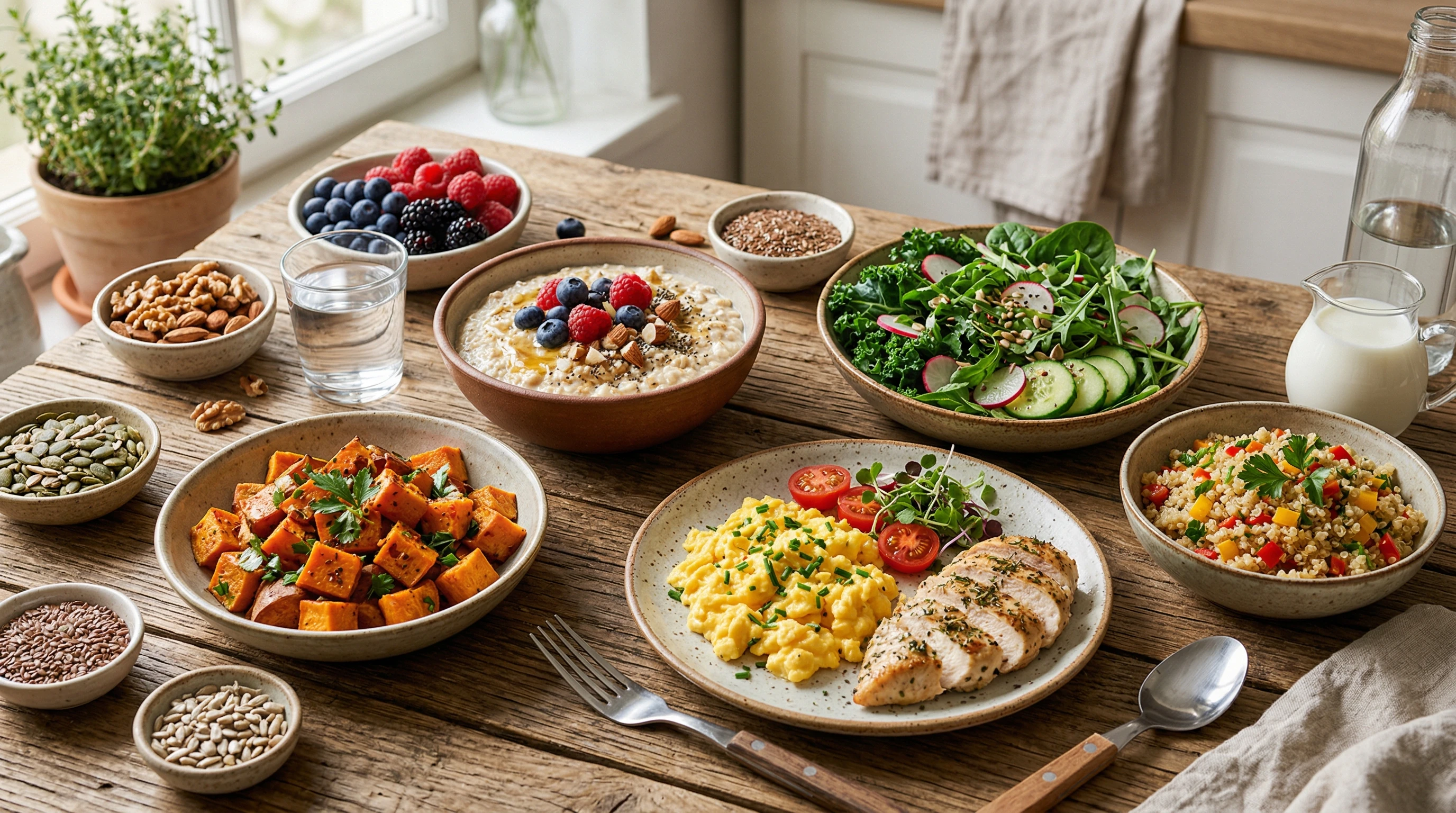
- Grilled Chicken with Sweet Potato: A classic choice that covers both protein and carbs.
- Eggs and Toast: Protein from eggs plus carbs from whole grain toast make for a wellrounded postworkout meal.
- Salmon and Quinoa: Loaded with protein, healthy fats, and complex carbs for recovery.
- Protein Smoothies: Blending protein powder with fruit, spinach, and a splash of milk or water makes a refreshing, customizable option.
- Cottage Cheese with Pineapple: Easy to prepare, high in protein, and the pineapple adds a bit of sweetness and vitamin C.
Why These Foods Work Well After Exercise
Protein helps rebuild muscle fibers that get broken down during exercise. Carbs refill your muscle’s stored energy, also called glycogen. The combo of both, plus a bit of healthy fat, gets me ready for whatever’s next in my day.
Realistic Guide to Building Workout Meals & Snacks
It can seem complicated at first, but setting up a few goto options makes the whole process easier. Here’s how I keep things simple:
- Pick a Carbohydrate Base: Oats, rice, whole grain bread, potatoes, or quinoa.
- Add a Lean Protein: Eggs, lowfat dairy, lean meats, tofu, or legumes.
- Include Some Healthy Fat: Nut butters, seeds, avocado, or a handful of nuts.
- Stay Hydrated: Water is usually enough, but sports drinks can help for really intense or long exercise.
Having a few staple ingredients on hand, like eggs, bananas, and oats, saves a lot of time and keeps meal planning stress free, even if I’m short on time. If you plan ahead, you’ll always have something easy and healthy to reach for when you need it most.
Things to Watch Out For When Choosing Foods
Some foods are better left for other times of day, since they might cause stomach trouble or low energy. Here’s what I tend to skip before workouts:
- Greasy or Fried Foods: Take longer to digest and can weigh you down.
- High-Sugar Sweets: The energy boost is short lived, and then I often crash partway through my session.
- Too Much Fiber: Beans, broccoli, and some raw vegetables are healthy, but can sometimes make me feel bloated or uncomfortable if I eat them right before training.
Tips for Busy Days or Early Morning Workouts
Sometimes, there isn’t time for a full meal. In those cases, something small like a banana, a slice of toast with nut butter, or a handful of dried fruit can tide me over without upsetting my stomach. Squeezing in some nutrition is better than going out on an empty stomach. Even a light snack can prevent tiring out too quickly.
How Timing and Personal Preference Fit In
Not everyone’s stomach likes the same things before a workout, so some trial and error is part of the process. On really early mornings, I sometimes just have a small snack and save a bigger meal for after. If the workout is later in the day, a more balanced preworkout option feels better and gives me more energy.
Adjusting the timing based on comfort and schedule usually leads to better results and fewer midsession stomachaches. I always keep in mind that it’s about finding what works for my body, not just following charts or other people’s habits.
Frequently Asked Questions
Question: Can I work out on an empty stomach?
Answer: For some people, light cardio in the morning works fine without food, but muscles do best with a little fuel. Eating something small can help performance and avoid fatigue, especially if the session lasts longer than 30-45 minutes.
Question: How soon after a workout should I eat?
Answer: I aim to eat my postworkout meal or snack within 30-60 minutes after finishing up. That’s when the body is primed to use nutrients for recovery and energy storage.
Question: What are the best drinks after working out?
Answer: Water often does the job, especially for everyday training sessions. For intense and long workouts, or if it’s hot and humid, a low sugar sports drink or a smoothie can help replace lost fluids and electrolytes.
Question: Are supplements needed?
Answer: For most people, real food covers all the bases. Protein powders and electrolyte drinks are handy for convenience, but not necessary if you have a balanced diet. Talking to a dietitian helps if you have specific goals or needs.
Easy Meal Combinations for Pre- and Post-Workout
- PreWorkout: Whole grain toast plus almond butter plus sliced banana
- PreWorkout: Plain oatmeal plus berries plus a dash of honey
- PreWorkout: Greek yogurt plus mixed fruit
- PostWorkout: Scrambled eggs plus sweet potato hash
- PostWorkout: Turkey sandwich on whole wheat bread plus leafy greens
- PostWorkout: Grilled salmon plus brown rice plus roasted vegetables
Wrapping Up
Choosing foods with the right balance of protein, carbs, and healthy fats before and after workouts helps me boost energy, improve performance, and feel less sore the next day. Feeding my body well supports both mood and progress, making every session count. Experimenting with timing, portion size, and food choices helps figure out what works best for each person. Over time, these small choices add up to a big upgrade in how I feel, both during and after workouts. Taking care with nutrition can be the secret edge for every fitness adventure.