Protein plays a really important part in how my body recovers after exercise. Whether I’m lifting weights, running, or just staying active, giving my muscles enough protein helps them repair and grow stronger. This process can make the difference between feeling sore and sluggish or bouncing back quickly for my next workout. I’m sharing what I’ve learned about the role of protein in muscle recovery, so you can make the most of your fitness routine.
Why Protein Matters for Muscle Recovery
After I exercise, I know my muscles experience tiny tears, especially during strength training. My body repairs these tears so my muscles get stronger over time. Protein gives my body the building blocks, called amino acids, to handle this repair work. Without enough protein, I usually notice it takes longer to recover and I feel a lot more sore than usual. The science backs this up. Several studies show that getting regular protein helps muscles repair and supports growth after all kinds of exercise (NCBI source).
When I started adding protein rich foods to my meals right after workouts, I noticed my recovery improved and I wasn’t as tired or stiff. This made it easier to stick to my routine and push myself further each week. Besides, having enough protein in your diet is also linked to a better immune system and improved skin and hair health, showing just how important it is for your overall wellness.
Understanding How Protein Supports Muscle Repair
Protein’s effect on muscle recovery comes down to something called muscle protein synthesis (MPS). After I challenge my muscles, they enter repair mode. My body takes amino acids from protein and uses them to patch up those tiny tears. When muscle protein synthesis is higher than muscle breakdown, I notice my muscles grow stronger and I recover faster.
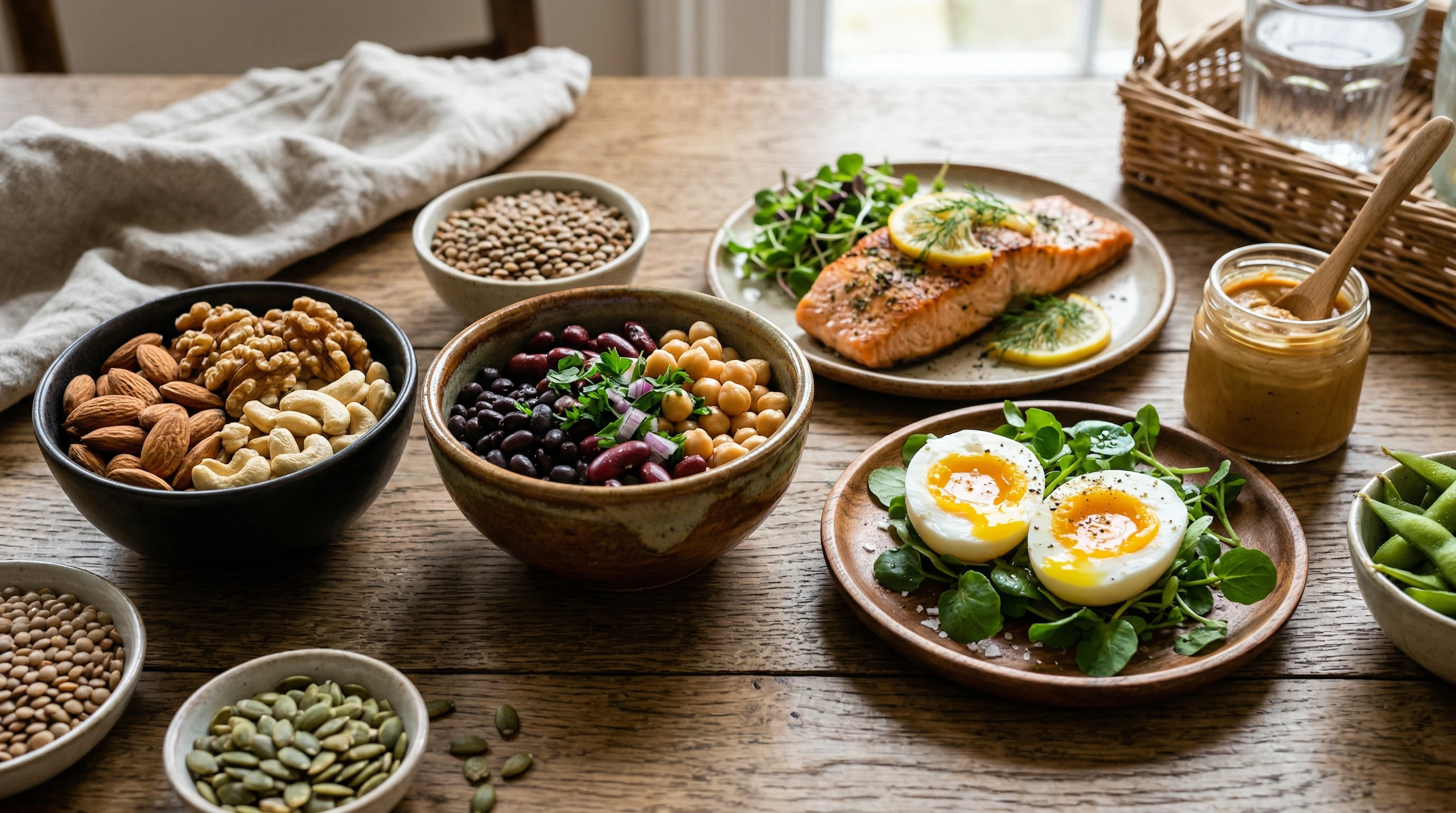
I also pay attention to the type of protein I eat. Complete proteins, like those in eggs, dairy, fish, poultry, and soy, give me all the essential amino acids my body needs. Getting these from food or supplements can make my recovery much smoother compared to incomplete sources, like some grains and vegetables, unless I pair them in a balanced way. Sometimes, I mix grains and legumes together in a meal, like rice with beans, which offers a more well-rounded amino acid profile and supports steady muscle repair.
Quick Guide: Boosting Recovery with the Right Protein Choices
If I want to make the most of protein’s benefits, I follow a few simple steps after any intense activity:
- Eat Protein Soon After Exercise: I aim to get a source of protein within 30 to 60 minutes post workout. This window is when my body’s repair processes are really active.
- Choose Quality Protein Sources: I look for whole foods like chicken, fish, Greek yogurt, eggs, cottage cheese, tofu, or legumes.
- Balance Protein with Carbohydrates: Adding carbs helps my body absorb protein more efficiently, so something like a turkey sandwich or yogurt with fruit works really well.
- Spread Protein Intake Throughout the Day: Instead of loading up at once, I try to have moderate amounts at each meal and snack to keep muscle repair going.
- Consider Supplements (If Needed): If I’m pressed for time or can’t cook, a protein shake or bar can give me the boost I need. I always check the nutritional info to avoid extra sugars or additives.
This routine helps me bounce back faster, build strength, and avoid feeling overly sore after my workouts. Eating a variety of protein sources can also help keep meals interesting while making sure your body is getting everything it needs for recovery.
Things I Think About Before Increasing My Protein Intake
Getting the right amount of protein helps, but there are a few important factors to keep in mind. Not every source or amount is right for every person. Here are some things I consider for safe and effective muscle recovery:
- How Much Protein My Body Needs: The ideal amount changes depending on my activity, age, and goals. The Academy of Nutrition and Dietetics recommends active adults eat about 1.o to 1.5 grams of protein per pound of body weight daily.
- Digestibility and Absorption: Some forms of protein, like whey, are absorbed faster than others, which suits me right after a workout. Others, like casein (in dairy), provide a slow release while I rest or sleep.
- My Diet Preferences or Restrictions: If I eat plant based, I pay extra attention to combining foods. I put together meals like rice and beans, or peanut butter on whole grain bread, so I don’t miss out on any essential amino acids.
- Hydration: I drink plenty of water, especially when upping my protein intake, to help my body process the extra nutrients.
- Overall Balanced Diet: I avoid focusing only on protein. Getting a mix of carbs, fats, vitamins, and minerals is just as important for my body’s repair and performance.
How Much Protein Is Right for Me?
It took me some time to figure out the right amount. I calculated my body weight in kilograms, then multiplied by 1.5 to get a ballpark daily protein target. For example, if I weigh 70 kg, I’d aim for about 105 grams of protein a day if I’m being regularly active. I watch my recovery, energy, and body composition to know when to adjust. Tracking your protein intake using a food journal or app can help spot patterns and make changes if needed.
Can I Get Too Much Protein?
I learned that there’s no benefit to eating much more than my body needs. Extremely high protein diets, especially without enough fiber and water, can strain my gut and kidneys. I keep my intake in a healthy range and check with a healthcare provider or dietitian if I’m considering big dietary changes. This keeps me feeling good and prevents any side effects.
What About Protein Supplements?
Protein powders like whey, pea, or soy have come in handy for me, especially after busy gym sessions. They’re convenient but shouldn’t replace whole foods entirely. Some powders contain additives or excess sugar, so I always check the ingredient list. Using supplements in moderation, mostly as a backup, works best for my routine. Also, some brands add vitamins or minerals, which could be an extra benefit, so I look out for those as well.
Timing My Protein Intake
I used to think I had to chug a shake the minute my workout ended, but studies show the window is a bit larger, up to about two hours. Still, I try to eat soon after training to get the recovery process moving. If my schedule is busy, I plan ahead and pack a simple protein rich snack, like a boiled egg or Greek yogurt cup.
Advanced Tips For Recovery and Muscle Growth
Once I covered the basics, I wanted ways to get even more out of my recovery. Some practical tips that have worked for me include:
Include BCAAs (Branched Chain Amino Acids): Foods like eggs, dairy, chicken, and tofu are rich in BCAAs such as leucine, which is especially good for muscle repair.
Nighttime Protein for Overnight Recovery: Slow digesting proteins like casein, found in Greek yogurt or cottage cheese, can help my muscles recover while I sleep by releasing amino acids gradually.
Vary My Protein Sources: Mixing up animal and plant proteins ensures I get a broader nutrient profile, along with vitamins and minerals that support overall health and muscle recovery.
Pair With Active Recovery: Gentle stretching or light activity, along with regular protein, helps reduce stiffness and supports blood flow to my muscles. Foam rolling can also support circulation, which speeds things up even more.
Don’t Forget Healthy Fats: Eating some healthy fats with your protein, like avocado or olive oil, helps your body absorb certain vitamins and can keep you feeling satisfied after meals. Including different food groups also makes meals more enjoyable.
Protein and Real-Life Recovery Results
In my own experience, adding more protein after tough workouts led to less soreness and quicker gains. For example, after switching from a carb heavy snack to a tuna sandwich or cottage cheese with fruit after the gym, I felt more energy and was back to training sooner. I’ve also seen friends on plant-based diets get strong results by planning meals well and using protein rich legumes and grains.
- Strength Training: Protein helps me repair quickly after lifting, so I can increase weights with less risk of overtraining.
- Endurance Sports: Runners and cyclists in my circle use protein to avoid muscle breakdown during long training cycles. It helps them maintain lean muscle and supports faster recovery between runs or rides.
- General Fitness: Even after a moderate workout, having enough protein in my routine leaves me feeling refreshed instead of run down. Making it a habit sets me up for steady progress and fewer setbacks.
I also stay alert for any changes in my energy and soreness levels, adjusting my protein intake and other nutrients as needed. Being consistent with my approach keeps my routine steady and helps me reach my goals.
Frequently Asked Questions
Here are some questions I often hear about protein and muscle recovery, and what I’ve learned from my own routine and research:
Question: How much protein do I really need after a workout?
Answer: About 20 to 40 grams after intense exercise is a common target. I tailor this to my overall daily needs and listen to my body’s response.
Question: Is it better to get protein from food or supplements?
Answer: Whole foods give me extra nutrients, like vitamins and healthy fats, but supplements help when time is short. I aim for a mix, emphasizing unprocessed sources most days.
Question: Can I recover on a vegetarian or vegan diet?
Answer: Yes. I combine protein rich plants like beans, lentils, quinoa, nuts, and tofu. It takes a bit more planning but offers great recovery and energy.
Question: How do I know if I’m getting enough protein?
Answer: Pay attention to your energy levels, soreness after workouts, and your progress. If you’re not recovering as quickly or you feel constantly tired, consider tracking your intake for a week and making adjustments.
Getting the Most Out of Protein for Recovery
Making protein a regular part of my meals has helped my muscles recover more quickly, reduced soreness, and supported better performance over time. The type and timing both play a role, but keeping things balanced and tuned to my needs has been the real key. With a few adjustments, I’ve found it easier to enjoy my fitness routine and stay active without long stretches of downtime. Anyone who wants to get stronger, feel better, and keep up with their favorite activities can benefit by paying close attention to protein and how it fits into their everyday meals and snacks.